
And perhaps that is the easiest and most simple definition of self-esteem. Common feelings turned inward, experienced by people in active use are anger, loneliness, shame, guilt, and inadequacy, among many others. Gratitude helps cultivate positive emotions, foster connection, and enhance the quality of your Substance abuse relationships. Sequoia Behavioral Health is a holistic mental health treatment facility in Mesa, Arizona that treats symptoms and root causes of mental health illness.
They provide a safe space for individuals to explore their feelings about addiction and its impact on their social connections. A supportive environment is essential to maintaining healthy relationships and achieving lasting recovery. Boundaries allow both you and your loved ones to feel safe, respected, and empowered, which is essential for building and maintaining healthy relationships.
How can involving family aid in recovery?
This requires open and honest discussions between the partners to align their goals and expectations. It’s important for both partners to respect each other’s recovery process and support each other’s sobriety goals. Moreover, learning to trust oneself is equally important in the recovery process. Self-doubt can be a significant obstacle when trying to convince others to trust again. Recognizing personal achievements and growth, keeping promises made to oneself, and practicing healthy routines are key components in this process.
Counseling & Therapy
- They encourage participants to connect with others facing similar challenges, fostering a sense of community and understanding.
- Maintaining focus on personal growth, transparency, and accountability can significantly improve relationships post-addiction.
- To foster recovery, focus on surrounding yourself with supportive individuals who promote healthy behaviors.
- The presence of unhealthy coping mechanisms, codependency, and manipulation can complicate dynamics, making it more difficult to maintain a supportive and loving environment.
- These fresh connections can serve as pillars of support, contributing to the individual’s overall well-being and sense of community.
These settings also offer guidance on recognizing toxic relationships and setting boundary boundaries, which are vital for maintaining mental health. Support groups facilitate peer connection, foster accountability, and combat feelings of isolation, making them an invaluable element of long-term recovery. Therapy plays a crucial role in navigating romantic relationships during recovery. Couples counseling can provide a safe space to relationships in recovery address issues such as trust, communication, and boundary-setting. Working with a professional can help both partners develop effective communication skills, learn to express feelings openly, and build a strong foundation of support.
What are the signs of an unhealthy relationship in recovery?
Open and honest communication is vital for nurturing relationships, especially during recovery. It involves discussing feelings, fears, and aspirations with partners and friends. Using effective communication can help in establishing mutual respect and understanding. Avoiding defensiveness and actively listening fosters deeper connections and enhances support, essential during the healing process. One of the critical aspects of maintaining healthy relationships in recovery is recognizing and ending toxic relationships. Toxic relationships can hinder the recovery process, making it essential to identify them and take steps towards ending them.

- If we are relying on a person for comfort, then it may prevent us from learning to manage emotions and stress for ourselves.
- Letting go of toxic relationships can be difficult, but it’s necessary for maintaining your mental and emotional health.
- Most people see how their relationships impact their quality of life, but sometimes this gets muddied when addiction is part of the picture.
- These boundaries are based on personal values and needs, providing guidelines for acceptable behaviors and interactions.
- These supportive connections can help boost self-esteem, promote positive coping mechanisms, and create a sense of community that is instrumental in long-term recovery.
The time spent on a relationship could be spent setting up that foundation. We are used to instant gratification when using substances, but we are trying to live differently. The common consensus is that people in recovery should wait until they have one year of sobriety before getting into a new relationship.
It offers companionship, promotes self-awareness, and contributes to the healing process. People in recovery from substance abuse often find that supportive connections help them develop healthier habits, understand others’ growth, and gain better insight into their own emotions. Building these relationships takes effort, trust, and mutual respect and Massachusetts drug rehab centers can play a crucial role in fostering these essential connections.
Benefits of an Intensive Outpatient Program for Addiction Recovery
Positive relationships with family, friends, mentors, and support groups offer emotional encouragement, motivation, and a sense of community that can enhance resilience. They help reinforce good habits, provide accountability, and serve as a buffer against stress and triggers that might lead to relapse. Recovering from addiction often leaves individuals grappling with feelings of guilt, shame, and low self-esteem.

Whether through professional help, support groups, or self-care, re-establishing these connections requires dedication and an open heart. As we navigate recovery, remember that each step towards nurturing healthier bonds with ourselves and others marks a significant milestone on the road to a fulfilled and balanced life. Rebuilding trust with loved ones, friends, or support groups often helps repair relationships damaged by addiction. This process reduces feelings of isolation and increases social support—a significant factor in resilience against relapse. Supportive relationships also serve as a platform for personal growth, helping individuals develop healthier coping mechanisms. They reinforce self-worth and promote emotional resilience, which are essential for navigating the emotional ups and downs of recovery.
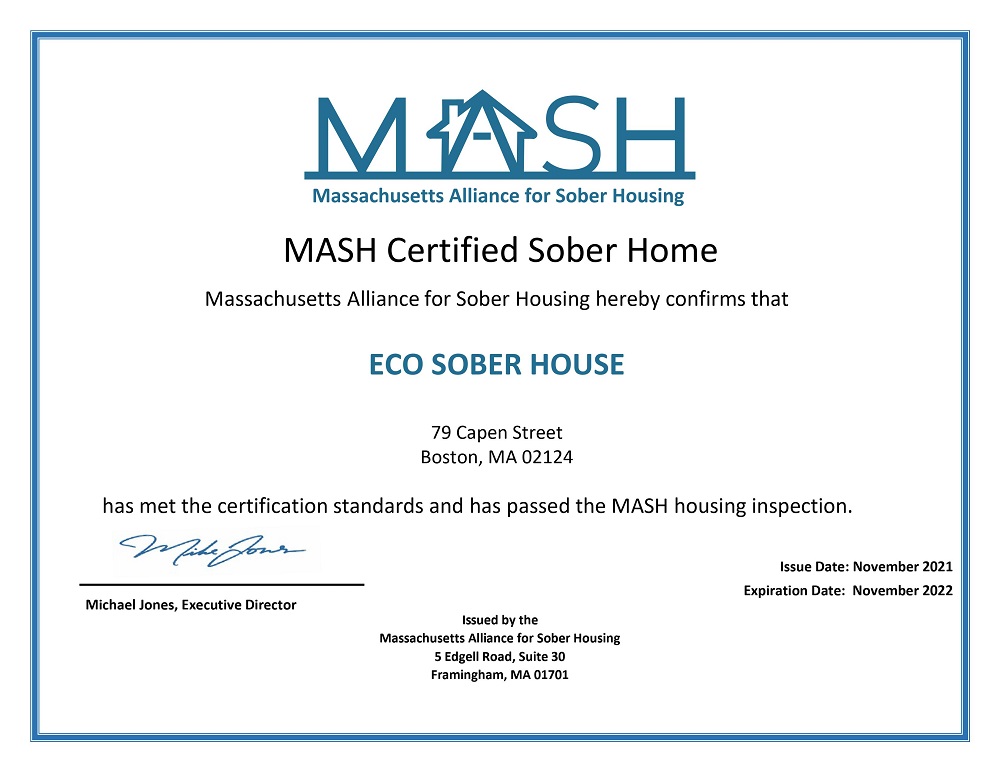
For partners, fostering a healthy relationship involves multiple proactive strategies. Prioritize honest and open communication—talk about needs, boundaries, and concerns openly. Establish and uphold boundaries related to substance use to prevent setbacks and build trust. Support systems like family therapy, recovery programs, and peer groups such as Al-Anon are crucial for addressing these impacts. They help loved ones understand addiction, set healthy boundaries, and foster emotional healing.
Ultimately, healthy relationships in recovery are grounded in mutual respect, kindness, honesty, and shared dedication to personal and mutual growth. This supportive network acts as a pillar during the healing journey, helping individuals stay focused on their recovery goals. By encouraging participants to explore and enhance their interpersonal communication skills, support groups create an environment conducive to long-term recovery. Self-care is an essential component of recovery, influencing both personal well-being and relationship dynamics. By prioritizing personal health through practices like mindfulness or physical activities, individuals in recovery can cultivate emotional resilience.
Choosing wisely when it comes to the company you keep is essential to enjoying a sober lifestyle. The key to a happy life is not just to have relationships, but to have HEALTHY relationships. In recovery, we must work to establish health and wellness in all areas of our lives. This includes how we interact with the world around us, how we approach the very sacred relationship we have with ourselves, and how we communicate with our Higher Power.